


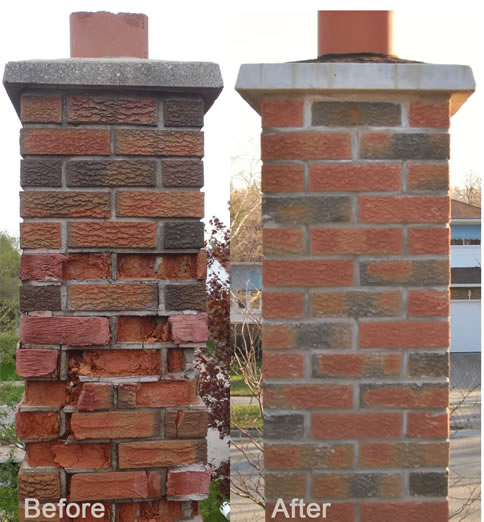
Before winter brings colder nights and more fireplace use, it’s worth taking a careful look at your chimney. Damaged-looking brick or mortar can be unsettling, but a photo or a quick glance from the yard can’t confirm the cause or the right repair.
Titan Paving & Masonry is a third-generation family company based in Rutherford, NJ, with masonry experience that includes chimney stacks, garden walls, and brick and stonework. Here are 10 practical points to help you plan chimney repair in NJ and understand when it’s time to bring in a professional.
1. Check the chimney before you need the fireplace
A pre-season review gives you time to understand what work may be needed before the busiest part of winter. From the ground, look for visibly loose or missing bricks, gaps in mortar joints, pieces of masonry near the base, or signs of water around the chimney inside your home.
These are reasons to arrange an assessment, not proof of a particular defect. Don’t climb onto the roof to investigate. A qualified professional can examine the areas that aren’t safely visible from the ground.
2. Know what an exterior masonry review can tell you
An exterior review focuses on visible masonry: brick or stone, mortar joints, and accessible parts of the chimney stack. It can help identify areas that may need closer attention and inform a repair estimate.
It does not, by itself, confirm the condition of the fireplace or the inside of the flue. If you plan to use your fireplace, ask a qualified chimney professional about a separate inspection of the chimney’s interior and venting system.

3. Understand that a crack doesn’t automatically mean rebuilding
Cracks, worn mortar, or damaged-looking bricks can have different causes and levels of severity. Some deterioration may be limited to a small area; other signs may need a broader evaluation. A visible crack alone isn’t enough to diagnose structural failure or decide that the entire chimney needs rebuilding.
Ask the contractor to show you the area of concern, explain what they observed, and describe why they recommend a particular scope. An in-person assessment is key to deciding whether a localized repair is appropriate.
4. Ask how the repair will match the existing masonry
Brick, stone, and mortar vary in color, texture, and composition. When a repair is needed, the materials and approach should suit the existing masonry and the condition of the affected area.
Ask what materials are proposed and how the repair will blend with the surrounding work. A good explanation should connect the proposed repair to the observed issue rather than offering a one-size-fits-all solution.
5. Look beyond the brickwork when water is involved
New Jersey rain, snow, and seasonal temperature changes can expose masonry to repeated wetting and drying. Water getting into a chimney may contribute to deterioration, but staining or dampness alone doesn’t establish where water is entering.
The chimney top, nearby roof connections, and masonry joints may all need consideration. An assessment can help identify which areas warrant attention and whether another qualified trade should be involved. Addressing only a visible stain may not address its source.

6. Ask about the top of the chimney
The top of the stack is exposed to weather, so it’s a useful area to include in a review. A professional may check visible masonry and components such as the crown or cap, depending on the chimney’s design and what can be safely accessed.
If something appears worn or damaged, ask what repair is appropriate and why. The right scope depends on the material, condition, and construction, not just appearance from the ground.
7. Keep masonry repairs separate from fireplace safety checks
Repairing exterior brick or mortar is not the same as cleaning or inspecting the flue, fireplace, or venting system. A masonry contractor can discuss exterior masonry concerns, while a qualified chimney professional can address the interior system and whether it is suitable for use.
If you notice smoke entering the room, or a carbon monoxide alarm sounds, stop using the fireplace and treat the situation as a safety concern. Don’t assume an exterior masonry repair alone confirms that the fireplace is safe to operate.
8. Get a clear written scope before work starts
A useful estimate should explain the area to be repaired, the proposed work, materials, and any items that are not included. If the contractor identifies additional concerns during the assessment, ask how those findings affect the recommendation before approving extra work.
Ask about access to the work area and how the project may affect your routine. Chimney work can involve roof or yard access, so it helps to discuss practical details in advance.

9. Check local requirements and plan for the season
Permit and inspection requirements can depend on the type of work and the municipality. Before work begins, ask your contractor whether permits may apply and confirm requirements with your local construction office.
Winter conditions can also affect access and scheduling. Discuss the property’s specific needs and the anticipated work plan with your contractor; timing depends on the scope, materials, weather, and site conditions.
10. Choose a masonry contractor who explains the work
When comparing a masonry contractor in NJ, look for clear communication, a written estimate, and a willingness to explain the condition and proposed repair. Ask about relevant chimney masonry experience, insurance, and any registrations or permits that apply to your project.
Titan Paving & Masonry is a Rutherford-based, third-generation family company. Its masonry work includes chimney stacks as well as garden walls and other brick and stone projects. Learn more about Titan’s masonry services or the company’s background.
FAQs About Chimney Repair in NJ
Does cracked chimney brick always mean the chimney needs rebuilding?
No. Cracks can have different causes, and their appearance alone can’t confirm structural failure. An onsite assessment helps determine whether a localized repair, broader work, or further evaluation is appropriate.
Can a masonry contractor confirm that my fireplace is safe to use?
An exterior masonry assessment is not the same as an inspection of the flue and fireplace. Ask a qualified chimney professional to evaluate the interior system and advise whether it is ready for use.
When should I schedule chimney masonry work?
If you notice concerning exterior masonry or water-related signs, arrange an assessment before you plan to rely on the fireplace. The right timing for repairs depends on the scope, site access, materials, and weather.
Plan Your Chimney Repair with Confidence
A careful assessment helps you understand what the chimney needs, without assuming every crack calls for a major rebuild. Addressing exterior masonry concerns and arranging a separate fireplace-system check, when needed, can help you prepare thoughtfully for winter.
Titan Paving & Masonry serves homeowners in Union, Middlesex, Essex, Somerset, Morris, and Monmouth counties. Contact Titan or call 201-456-6767 to discuss your chimney masonry project and request a free estimate.